



Knowing how to protect coloured hair when swimming is especially important during a Queensland summer. Chlorinated pools, salt water, sunlight and repeated washing can leave salon colour looking faded while the lengths feel dry or tangled.
A few simple steps before entering the water and immediately after swimming may help reduce dryness, tangling and unwanted changes in tone. The right routine will depend on your colour, texture, condition and how often you swim.
How can swimming affect coloured hair?
Chlorinated pool water can remove some of the protective lipids surrounding the hair shaft. This may leave the hair feeling rougher, drier or more prone to tangling and breakage.
Salt water can also leave hair feeling dry and difficult to manage, particularly when it repeatedly dries in the sun. Coloured, lightened and porous hair may be more vulnerable because it can absorb water and dissolved substances more readily.
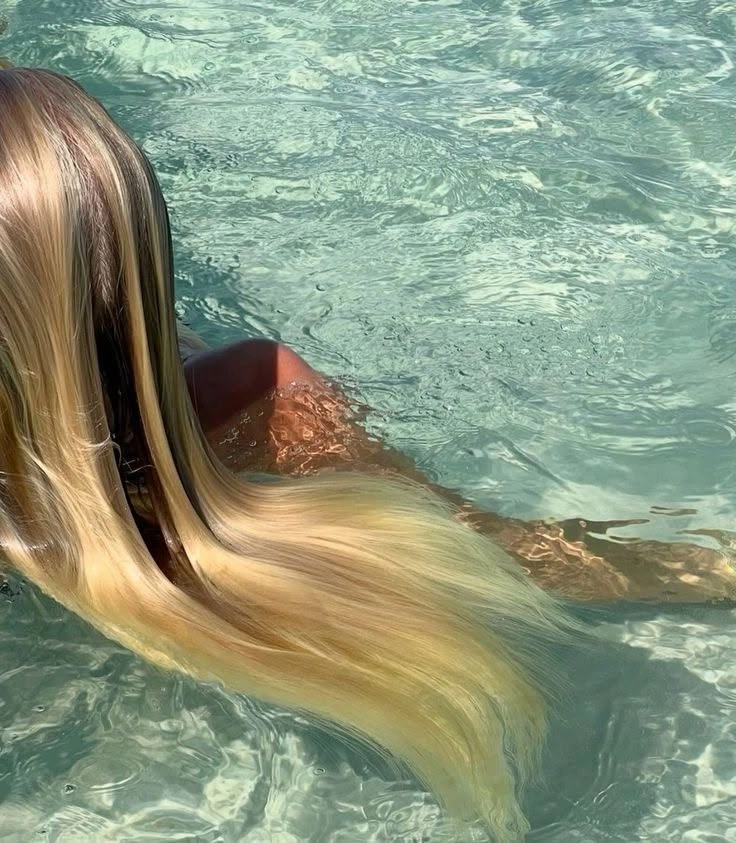
Red, copper and vivid shades may appear to lose intensity faster. Blonde hair can develop dullness or, in some cases, a greenish cast.
Chlorine itself is not the green pigment. Copper and other metals present in pool water can interact with chlorine and become deposited within porous hair. This is why heavily lightened blonde hair may be particularly affected.
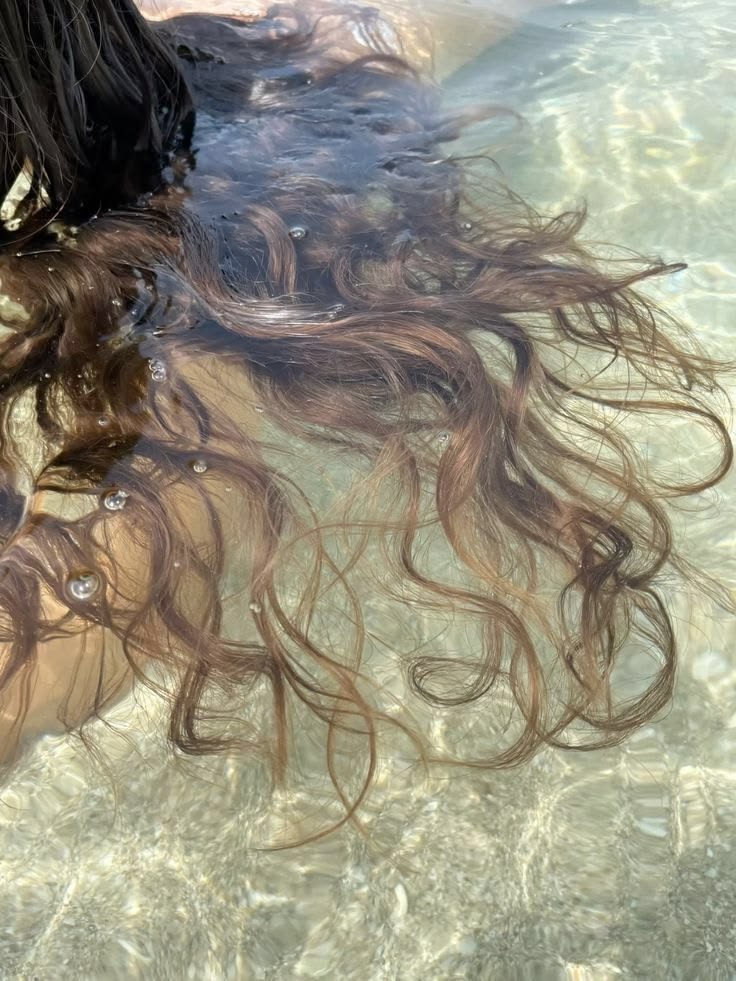
How to Protect Coloured Hair When Swimming
What you do after leaving the water is just as important when you want to protect coloured hair when swimming regularly. Preparing your hair before swimming is often easier than trying to correct dryness or discolouration afterwards.
Wet your hair with clean water
Rinse your hair under a shower before entering the pool or ocean. Hair that is already wet may absorb less pool or salt water than completely dry hair.
This step does not create complete protection, but it is quick, practical and easy to incorporate into your routine.
Apply a leave-in product
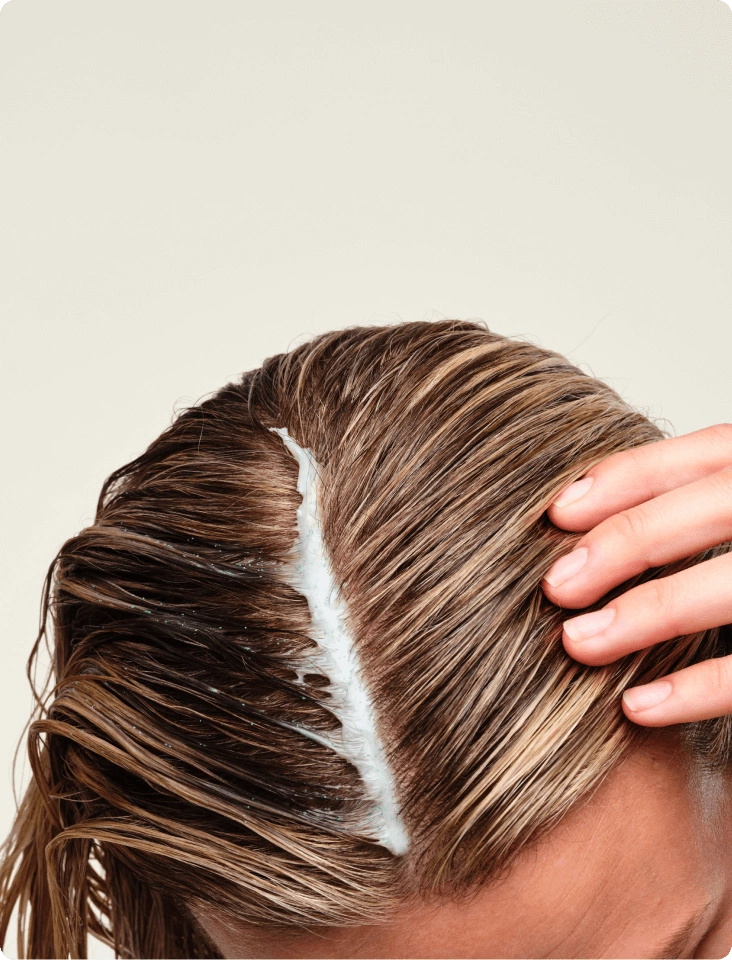
The American Academy of Dermatology recommends applying a leave-in conditioner or hair oil before entering a chlorinated pool. This can create a physical barrier between the hair and the water.
Choose a lightweight product suited to your texture and apply it mainly through the mid-lengths and ends. Avoid using so much that the hair becomes excessively coated or slippery.
Oribe Run-Through Detangling Primer can help condition and detangle the lengths before or after swimming.
Consider a swim cap
A properly fitted swim cap provides the most direct physical protection, particularly for regular lap swimmers. It may not keep every strand completely dry, but it can reduce prolonged contact with pool water.
Secure long hair gently before putting on the cap. Avoid tight elastics or clips that pull against wet, fragile strands.
Protect your hair and scalp from the sun
Sun exposure can contribute to dryness, reduced shine and visible colour changes. Lighter, blonde and grey hair may be especially susceptible because it contains less protective melanin.
A broad-brimmed hat provides practical protection for both the hair and scalp. If your hair is parted, remember that the exposed skin along the part can burn.
Cancer Council Queensland advises using multiple forms of sun protection, including shade, protective clothing, a broad-brimmed hat and broad-spectrum, water-resistant SPF50 or SPF50+ sunscreen.
Hair products with UV-protection claims may support your cosmetic haircare routine, but they should not replace appropriate sun protection for your skin and scalp.
What to do immediately after swimming
Do not leave pool or salt water sitting in your hair for the rest of the day if clean water is available.
Rinse your hair thoroughly as soon as practical. Pay attention to the hairline, crown and underneath sections where residue can remain.
When shampooing is needed, concentrate the cleanser around the scalp and allow the lather to run through the lengths. Avoid aggressively rubbing or piling the hair on top of your head, as this can increase tangling.
Follow with conditioner through the mid-lengths and ends. A colour-care system such as the Kerasilk Colour Protecting Shampoo and Conditioner Duo is formulated for colour-treated hair.
For hair needing richer care, the Oribe Beautiful Colour Shampoo and Conditioner Duo is designed to cleanse, condition and support colour vibrancy.
Detangle wet hair carefully
Hair can be more vulnerable to stretching and breakage when wet. After swimming, avoid forcing a brush through knots.
Apply conditioner or a detangling product and begin at the ends with a wide-tooth comb. Gradually work upwards as the tangles release.
Gently squeeze excess water from the hair with a towel. Avoid rough rubbing, which can increase friction and make the surface feel frizzier.
If possible, allow the hair to air-dry partially. When using a hairdryer or hot tool, apply heat protection first. GHD Bodyguard for Coloured Hair is formulated to help protect coloured and chemically treated hair during heat styling.
What if blonde hair turns green after swimming?
Do not immediately apply purple shampoo. Purple products are formulated to address yellow tones, not green discolouration.
Avoid harsh home remedies such as repeated clarifying washes, baking soda or undiluted acidic ingredients. These may leave already porous hair feeling drier without fully addressing the deposits causing the colour change.
Instead, speak with your hairdresser. They can assess whether the hair has absorbed copper or other minerals and recommend appropriate professional care.
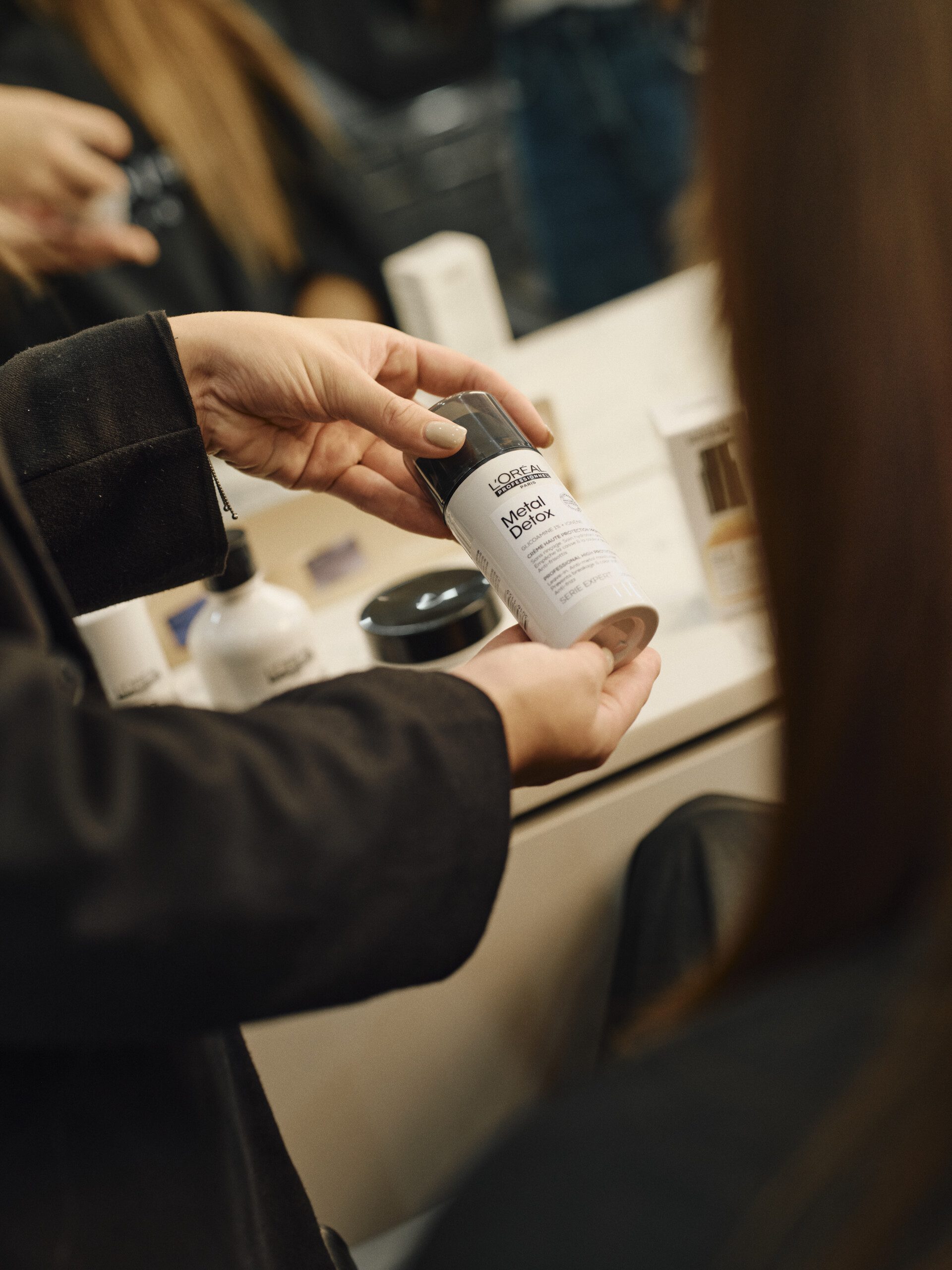
Epic’s guide to L’Oréal Professionnel Metal Detox explains how metals in water may affect colour clarity, shine and manageability.
Does every hair colour need the same routine?
Different colours can show summer exposure in different ways:
- Blonde and lightened hair may develop dullness, dryness, brassiness or a greenish cast from metals in pool water.
- Red and copper hair can show fading quickly because changes in vibrancy are highly visible.
- Brunette hair may lose shine or reveal warmer underlying tones as the colour fades.
- Fashion shades can shift noticeably, especially when the hair is porous.
- Curly and textured hair may require additional conditioning and gentle detangling after swimming.
Your hairdresser can adapt the routine according to your formula, texture and swimming frequency.
Plan colour and treatment appointments around summer
If you are preparing for a pool-focused holiday, ask your colourist whether your appointment timing should be adjusted. Freshly lightened hair may need particular care when it will immediately be exposed to repeated swimming and strong sunlight.
A professional Goldwell Colour Lock treatment may be included in your colour-care plan, while K18 salon treatments may be recommended when chemical, heat or mechanical damage is a concern.
The best way to protect coloured hair when swimming is to combine preparation, prompt rinsing, gentle detangling and products suited to your actual hair needs.
If your colour has become dull, changed tone or feels unusually dry after swimming, book an appointment at Epic Hair Designs or find your nearest salon across Brisbane and the Gold Coast.