




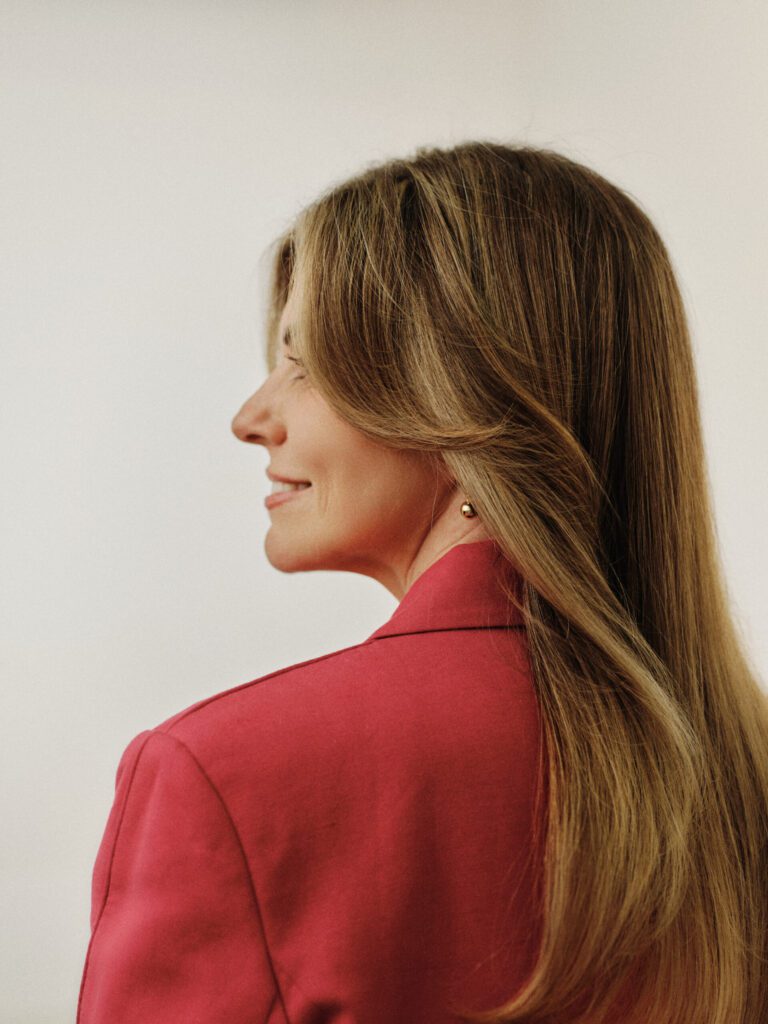
Long flowing layers
Long layers can release movement and help a blow dry or natural bend travel through the hair. Their depth and starting point should preserve enough weight through the lower lengths.
Women’s long haircut specialists
Keeping the length does not mean leaving the shape untouched. The right long haircut protects the visual strength of the ends while creating the movement and framing you actually want.
Epic stylists plan long haircuts around density, condition, texture, colour history and how the hair moves, from minimal trims and strong perimeters to long layers and face framing.
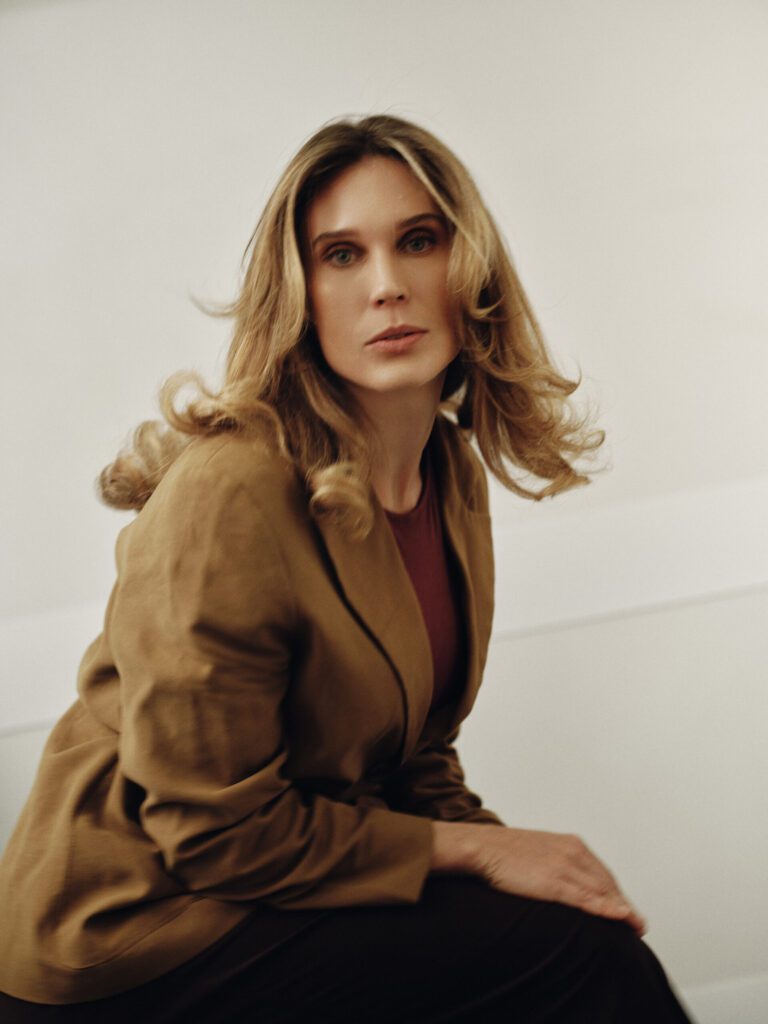
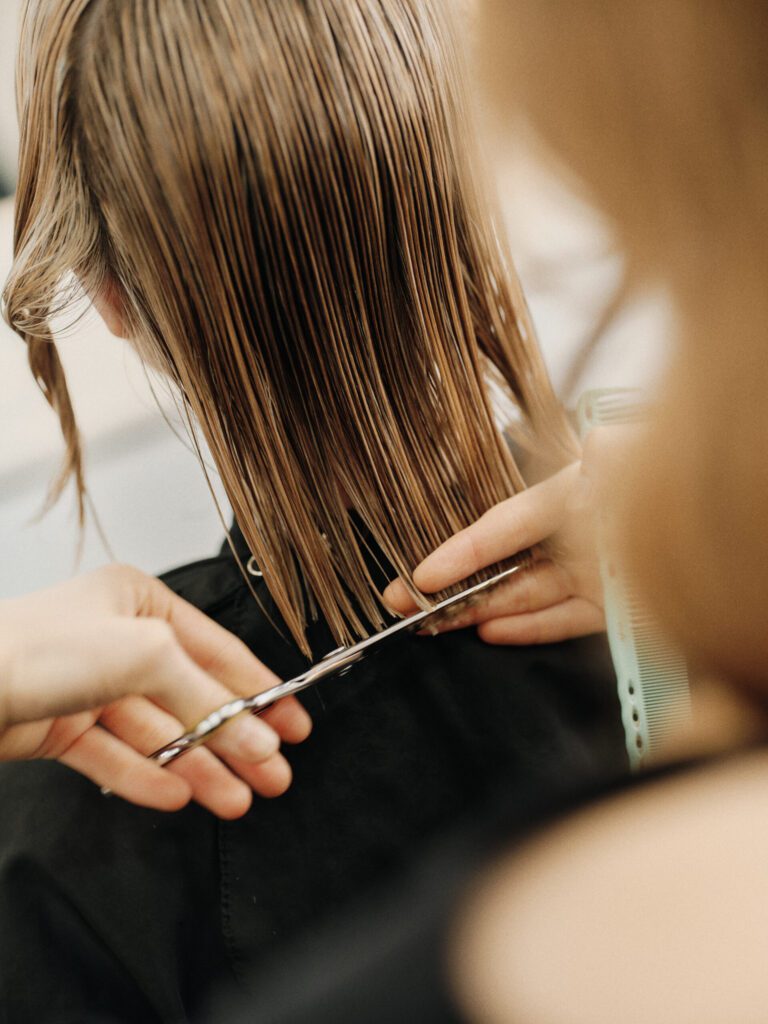
The Epic approach
Length alone does not create a beautiful long haircut. The strength of the perimeter, distribution of weight and connection between face framing and the main shape determine whether the hair looks full and moves well.
Your stylist will assess the condition and density of the ends, where previous layers begin, how your natural texture behaves and whether colour or heat history has changed the hair. Sometimes the most protective plan is a small trim. Sometimes retaining every fragile centimetre makes the hair look thinner than choosing a stronger line slightly higher.
If your priority is growing longer, say so clearly. A growth plan is not the same as avoiding every haircut. Selective trimming can preserve a stronger shape while protecting the progress you value.
Your long hair direction
Long hair can look polished, soft, full, flowing or deliberately layered. The right direction depends on end density, texture and how much daily styling you want.
Long layers can release movement and help a blow dry or natural bend travel through the hair. Their depth and starting point should preserve enough weight through the lower lengths.
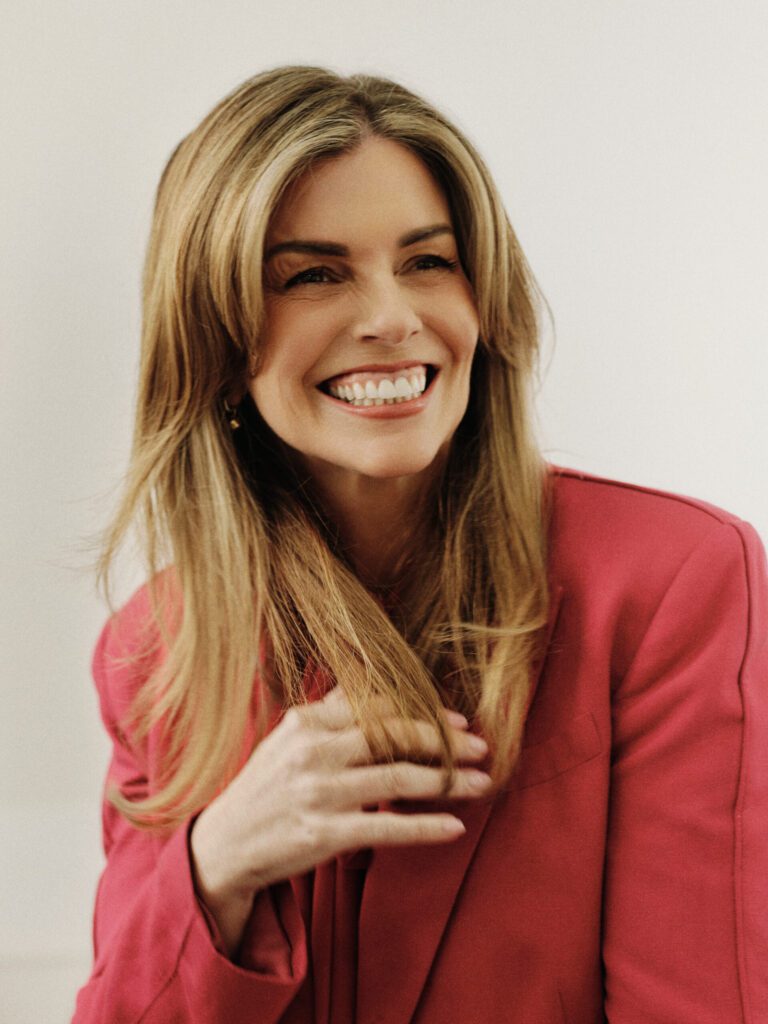
Framing can begin around the cheek, jaw or collarbone. The pieces should connect into the main haircut and be planned for your part, texture and whether you prefer them to sit forward or tuck away.
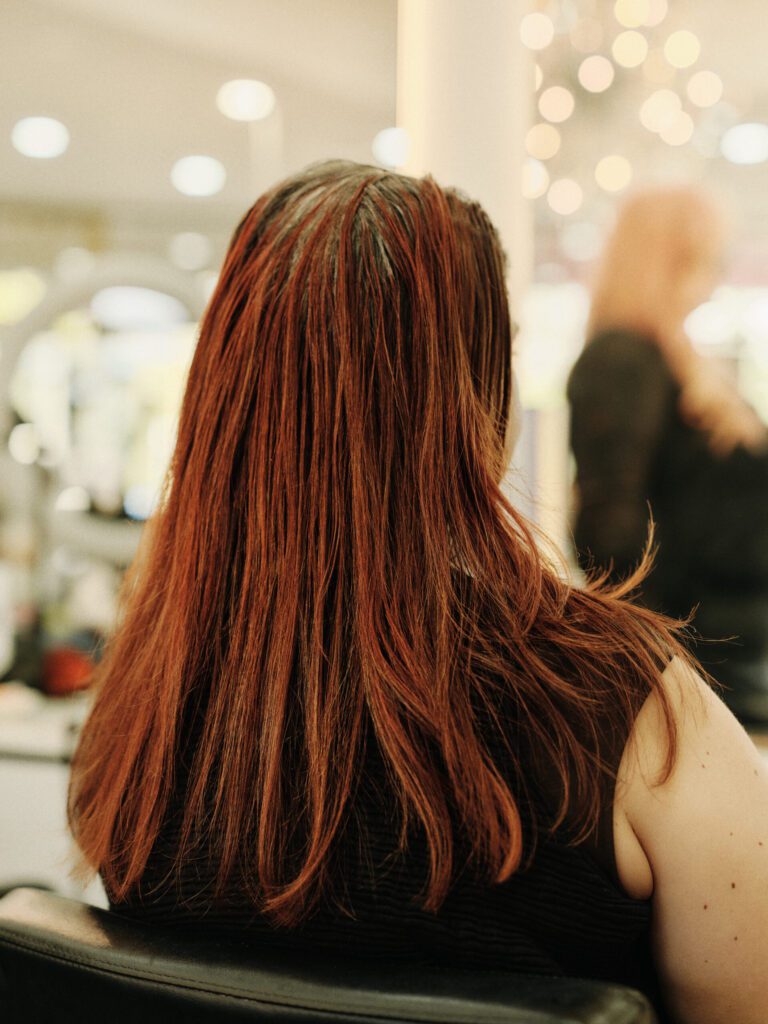
A U shaped, softly rounded or near straight perimeter can make the ends appear fuller. The line is selected according to density and the amount of movement you want rather than a trend alone.
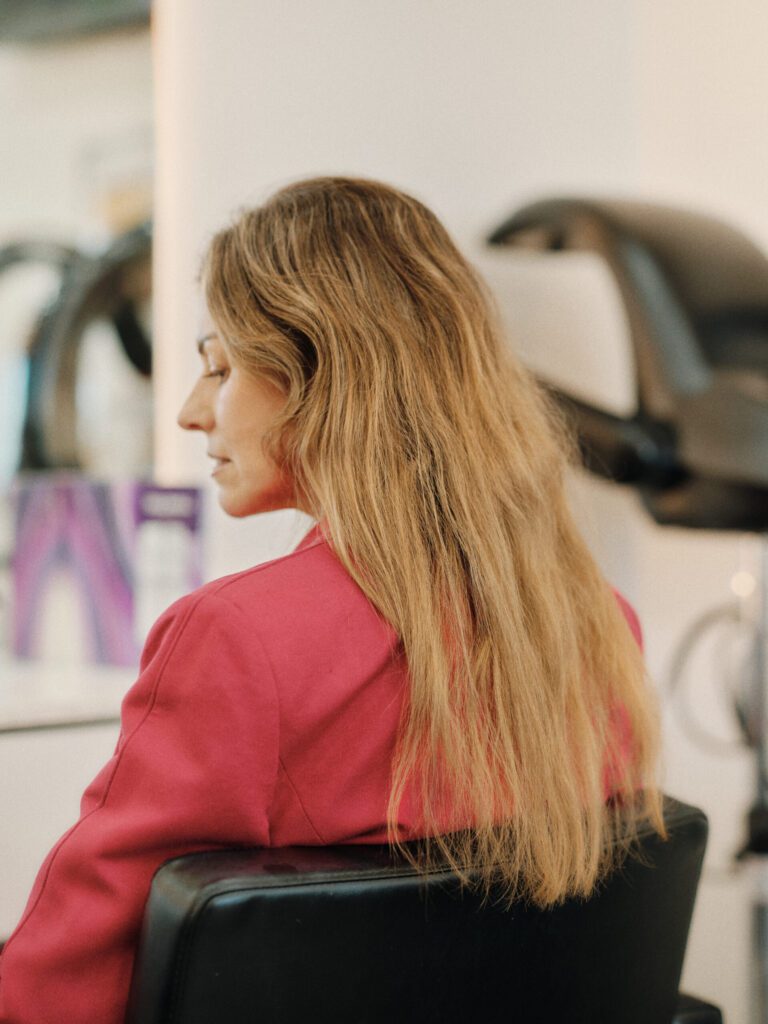
Fine hair or clients who love a clean, dense finish may prefer minimal internal layering. Small adjustments around the face or ends can still create polish without compromising the visual weight.
What makes the cut work
Long hair needs enough internal movement to avoid heaviness and enough retained weight to keep the perimeter healthy looking. The balance is individual.
The finest point of the ends shows where the strongest perimeter can sit. Keeping visibly fragile length may work against the fuller result you want.
Shorter or more numerous layers create more movement, but can reduce the amount of hair reaching the perimeter. Placement matters more than the word layered.
Straight, wavy and curly hair reveal layers differently. The plan should reflect how you wear the hair most often, not only the salon finish.
Previously lightened or frequently heat styled areas may have different strength and elasticity. The cut and care plan should respond to their condition.
Experience you can choose
Epic was founded in Brisbane in 2008 and has grown to 18 salons across Brisbane and the Gold Coast. Across that network, clients can choose a stylist by location, service specialty and experience level.
The consultation is particularly important when you have spent years growing your hair. Your stylist should confirm how much will be removed, where layers will begin and what the intended perimeter will look like before cutting.
Use the Epic stylist finder to identify team members who list long haircuts among their service specialties, then review their salon and profile.
Words such as trim, dusting and a few centimetres can mean different things. Ask your stylist to show the proposed line on your hair before the cut begins.
If your hair is lightened, coloured, extended, heat affected or growing after damage, share that history. It may change the safest layer and maintenance plan.
Your salon experience
The goal may be movement, fuller ends, easier styling or continued growth. The appointment should keep that priority visible at every stage.
Confirm the growth goal, proposed length, layer position, face framing, texture and usual styling routine.
Your stylist examines density, end condition, previous shape and any areas affected by colour, heat or breakage.
The perimeter is created first or protected as the internal shape is adjusted according to the agreed plan.
Layers and framing are connected, then checked in the chosen finish so the movement and balance are visible.
You leave with styling guidance, a realistic trim rhythm and care recommendations based on the actual condition of your hair.
Keeping long hair strong
A haircut can remove weak ends and redistribute weight, but daily handling, heat, colour and product choice influence how long hair looks between visits.
Long haircut pricing
Current haircut pricing varies by salon, selected service and stylist level where level based pricing applies. Hair length, density, service complexity and additional time may also affect the expected price where relevant.
Choose your salon to view its current price list, explore Epic Style Cut packages and review how pricing works. If your hair is very long, very dense or you are planning a major restyle, mention that when booking so appropriate time can be arranged.
18 Epic salons
Choose your nearest salon, then use the stylist finder to search Long Length Ladies Cuts and compare current team profiles, booking options and price lists.
Long haircut questions
The clearest consultation starts with what you want to keep, what is not working and how you usually wear the hair.
There is no automatic amount. Your stylist should assess end density, splitting, breakage, the current shape and your growth goal. Ask to see the proposed line on your own hair before cutting so the decision is shared and clear.
Often, yes. Face framing, selected long layers or a small perimeter adjustment can change movement while protecting most of the overall length. If the ends are very transparent or damaged, a slightly shorter line may create a visibly fuller result.
They can create movement and apparent volume through the upper lengths, but too many or overly short layers may reduce density through the ends. Fine hair often needs more retained weight, while dense hair may support more internal shape.
A U shaped perimeter is softly rounded and usually retains more visual fullness through the corners. A V shape creates a stronger point at the back and can show more movement, but may make the sides feel shorter. The right choice depends on density and preference.
Yes. Face framing can be concentrated through the front and connected into longer side sections, while the back remains minimally layered. The starting point should suit your part, texture and whether you want to tuck the pieces away.
A stronger perimeter and fewer layers often help fine hair appear fuller, but one length is not the only option. Subtle framing or carefully limited layers may add movement without sacrificing too much end density.
Weight can be adjusted through intentional internal shape and layer placement. Indiscriminate thinning can create short flyaway pieces or remove support from the ends. The method should reflect density, texture and where the bulk actually sits.
Yes. Layers can improve shape and prevent the lower length carrying all the visual weight, but shrinkage and curl pattern need to guide their position. For a curl focused service, visit the Epic curly haircut page.
Many clients return around eight to twelve weeks, but there is no universal schedule. Heat use, colour, texture, end condition, layers and your growth goal all affect the right timing. Your stylist can recommend a rhythm after seeing the hair.
No. Hair grows from the scalp, so cutting the ends does not increase the growth rate. Trims can remove splitting or weak ends, maintain the intended shape and reduce the need for a larger correction later.
Not always. The safest plan depends on the severity and cause of the damage. Some clients prefer a stronger immediate cut, while others use staged trims and a care plan. Hair that is breaking significantly may need a more conservative chemical and heat plan as well.
Time varies with length, density, texture, current shape, service selected and finish. Very long or dense hair and major reshaping can require more time. Tell the salon about those factors when booking so the appointment can be planned appropriately.
Prices vary by salon and stylist level where level based pricing applies. Hair length, density or additional time may also be relevant to the service plan. View your salon price list or the Style Cut packages.
Use the Epic stylist finder, choose a salon and select Long Length Ladies Cuts from the specialty options. You can compare profiles, level and location before booking.
Your next haircut
Bring your growth goal, references and honest styling routine to an Epic consultation, then agree on the perimeter, layers and maintenance before cutting begins.
A considered consultation makes clear what will be removed, why it helps and how the new shape supports your longer term goal.