



Winter is the season when hair needs both style and strategy. Cold air can leave hair feeling dry, dull or frizzy. In addition, indoor heating, scarves, hats and heat styling can cause extra stress.
For 2026, the biggest winter hair trends are not only about dramatic changes. Instead, they focus on glossy health, wearable colour and easy styling. The goal is hair that still looks polished when the weather is working against you.
Overall, winter hair in 2026 feels expensive, healthy and intentional. Vogue reports a shift towards sleeker, glossier and more “put together” styles. As a result, ’90s and early-2000s influences are appearing everywhere.
Think bouncy blow-dries, chignons, rich brunettes and polished finishes. In other words, the mood is less beachy texture and more smooth movement. Shine, softness and healthy-looking hair are key.
The Biggest Winter Hair Trends for 2026
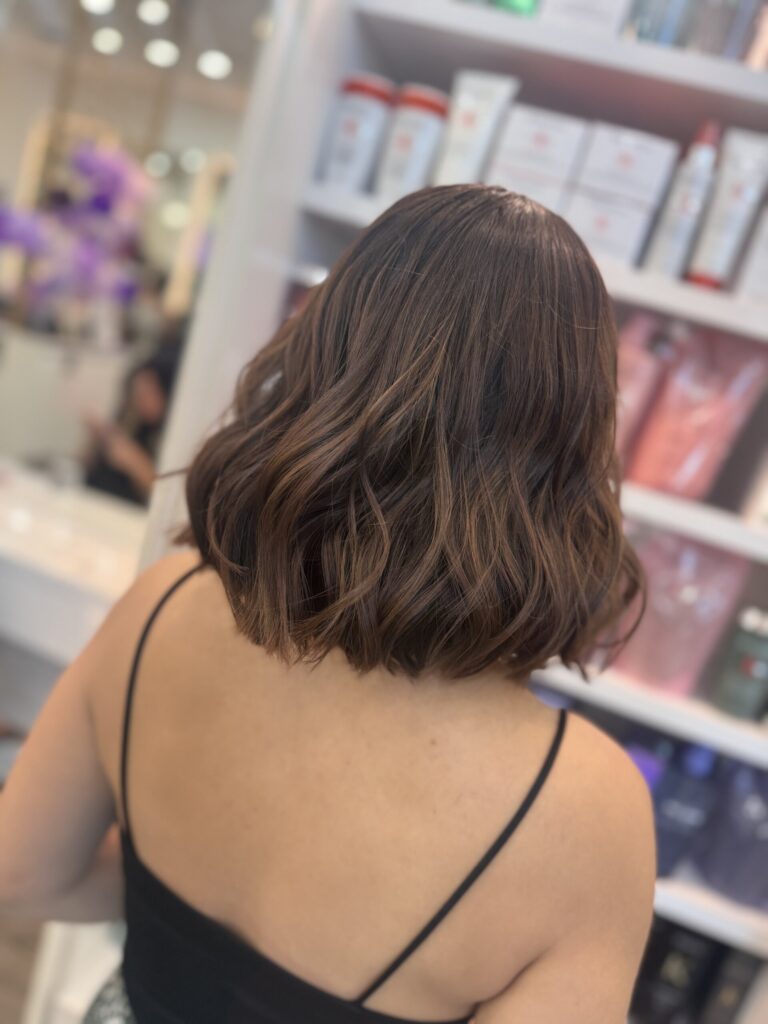
1. Glossy brunette and soft black
Rich brunette is one of the most wearable winter hair colours for 2026. Shades like coffee mocha, espresso, teddy brown and dark chocolate are especially popular.
These tones add shine and depth without the upkeep of heavy highlights. Plus, they make winter hair look glossy, healthy and expensive.
Vogue highlights “lavish brunette” shades such as coffee mocha and espresso. Meanwhile, Bustle points to teddy brown and melted dark chocolate as key winter 2026 colour choices.
Soft black is also having a moment. However, the finish should still look dimensional rather than flat. A gloss treatment can help create that rich, reflective effect.
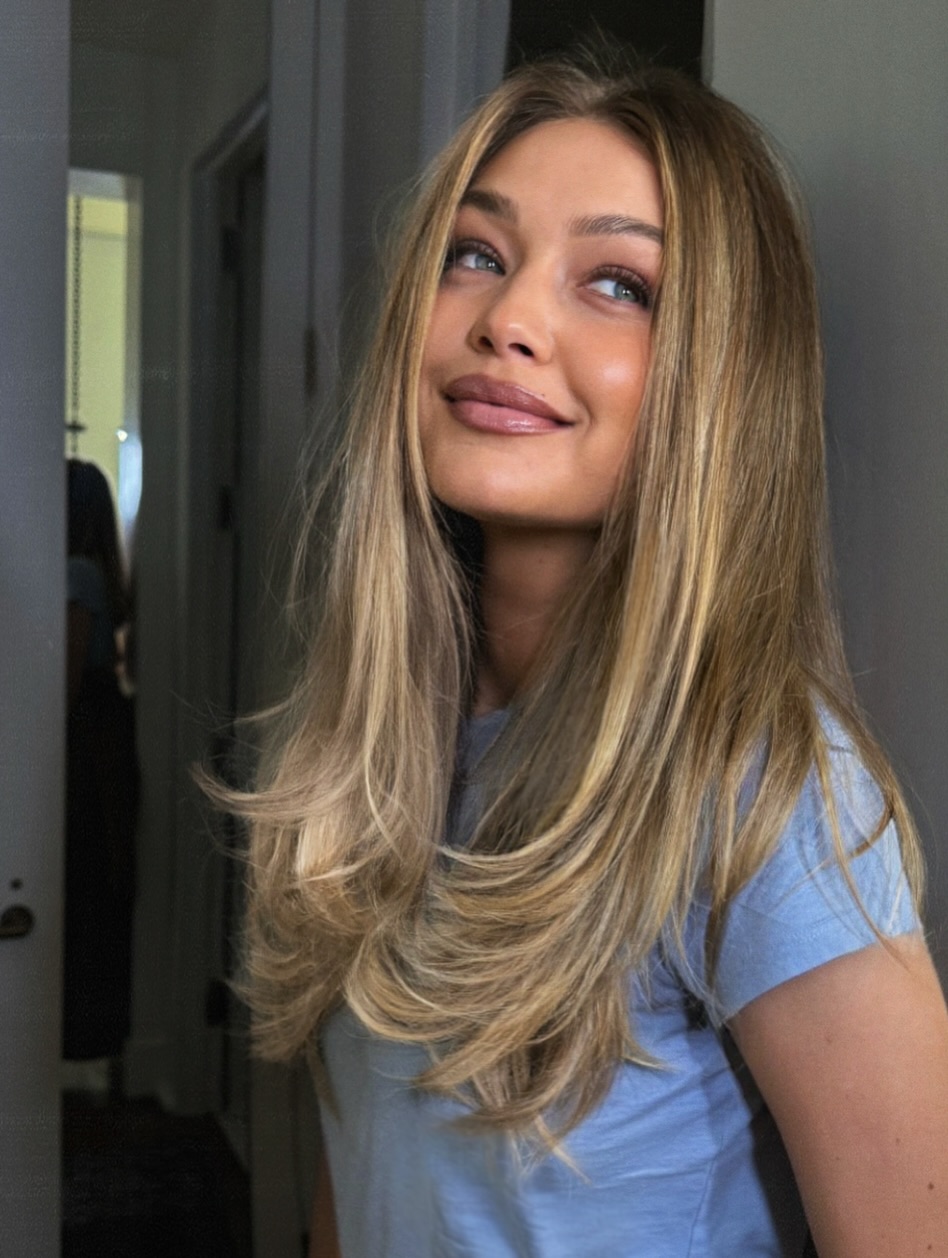
2. Warm blondes and candlelit gold
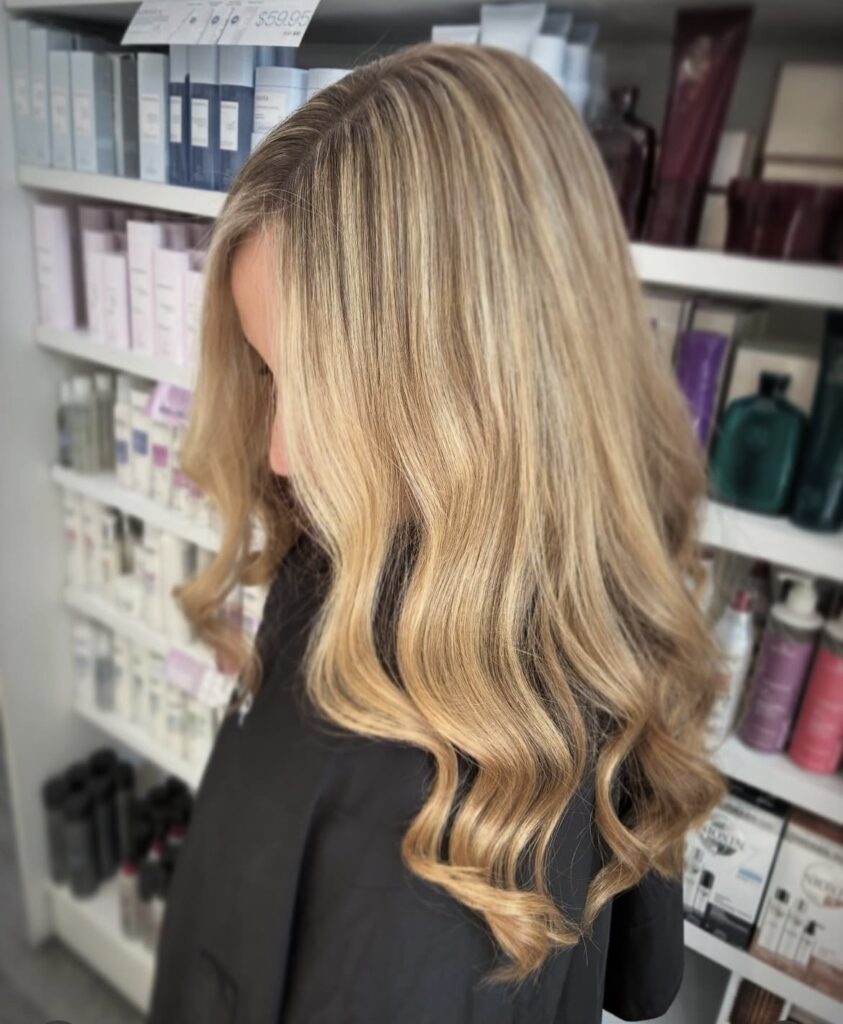
Icy blonde is no longer the only winter option. In 2026, warm blonde shades feel fresh, flattering and modern.
Fawn blonde, soft-gold blonde and luminous golden tones are replacing flat ash shades. These colours brighten the face and soften the overall look.
As a result, blonde hair can feel warmer and healthier through winter. This is especially helpful when skin can look duller in cooler months.
Bustle notes that winter colour is moving towards warmth. For example, fawn blonde and luminous gold are becoming key seasonal shades.
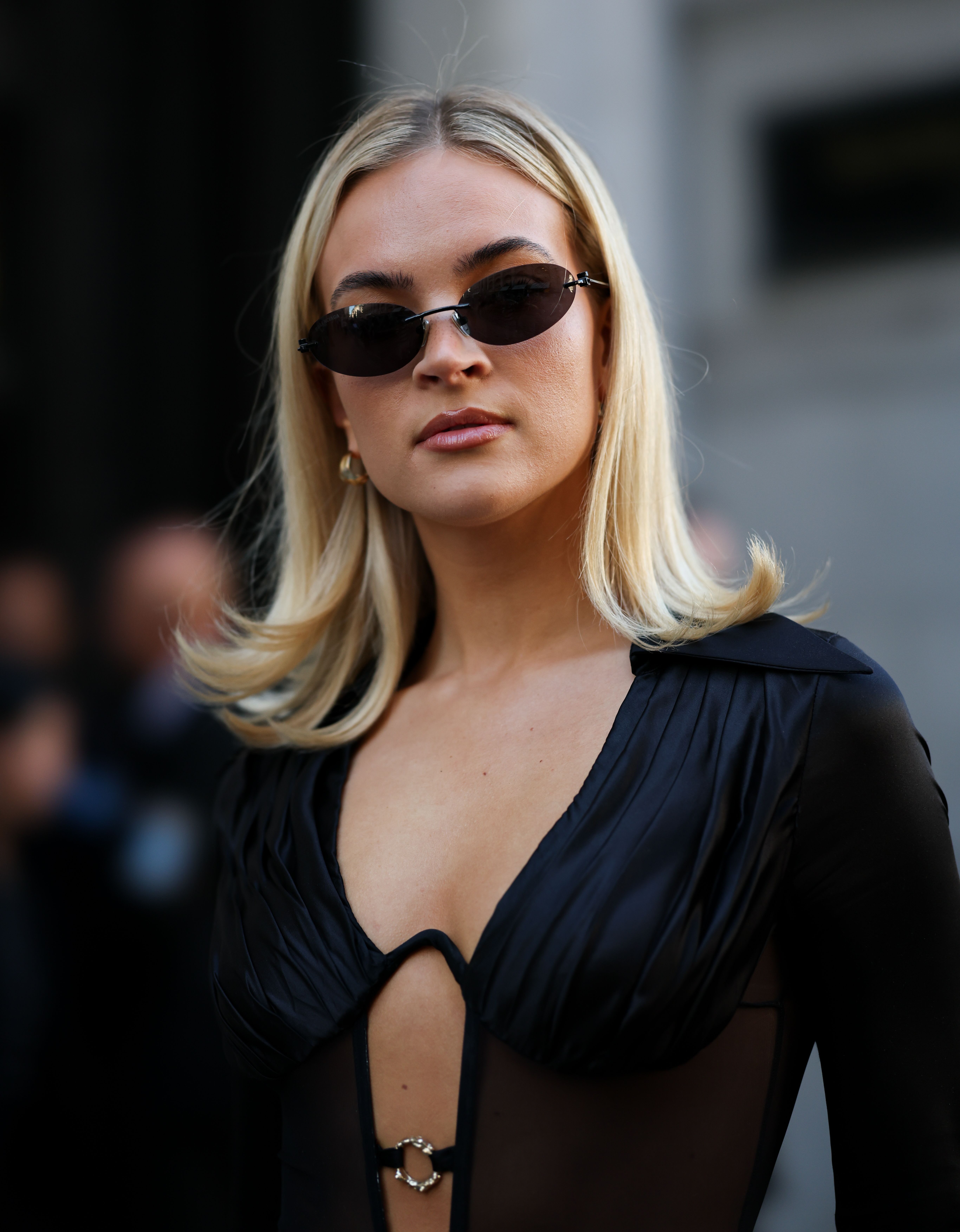
3. Soft bobs, graduated bobs and luxe mid-length cuts
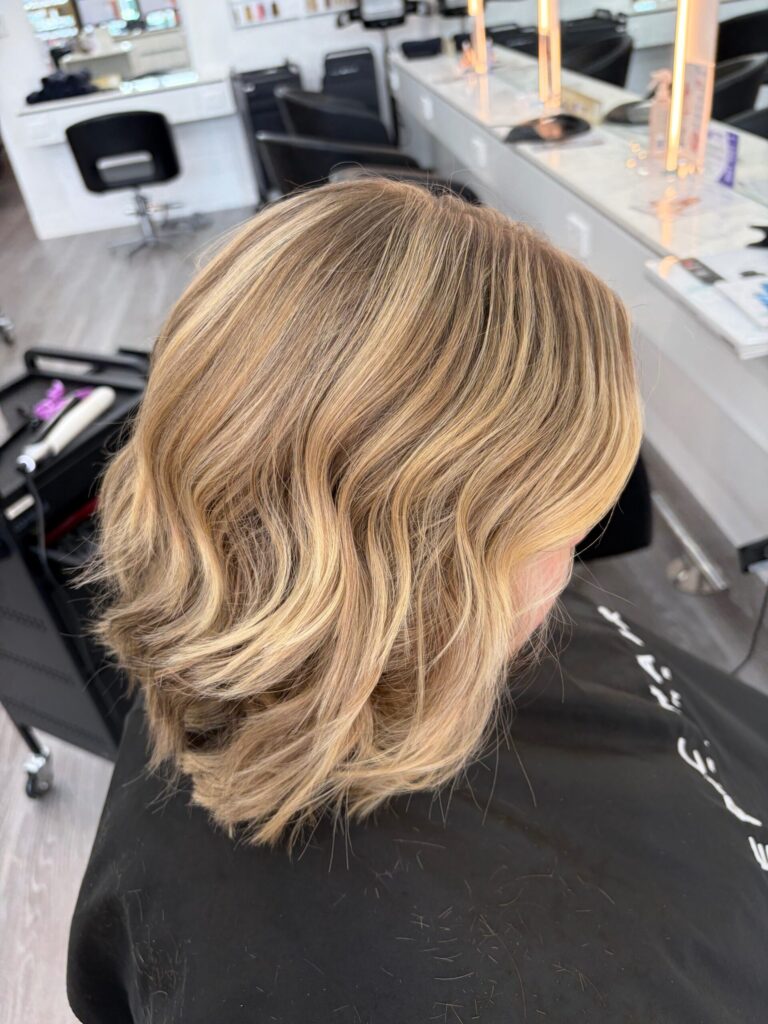
The bob is still a major winter haircut. However, 2026 versions feel softer, more wearable and more versatile.
The Zoe Report highlights the soft box bob, luxe mid-length cuts and face-framing bangs. These cuts look polished without needing excessive styling.
Vogue also identifies the graduated bob as a sharper 2026 update. It sits between the jawline and shoulder. Because of this, it adds shape, movement and attitude.
A soft bob works well in winter because it sits neatly with coats and scarves. In addition, it can be styled sleek, waved or tucked behind the ears.
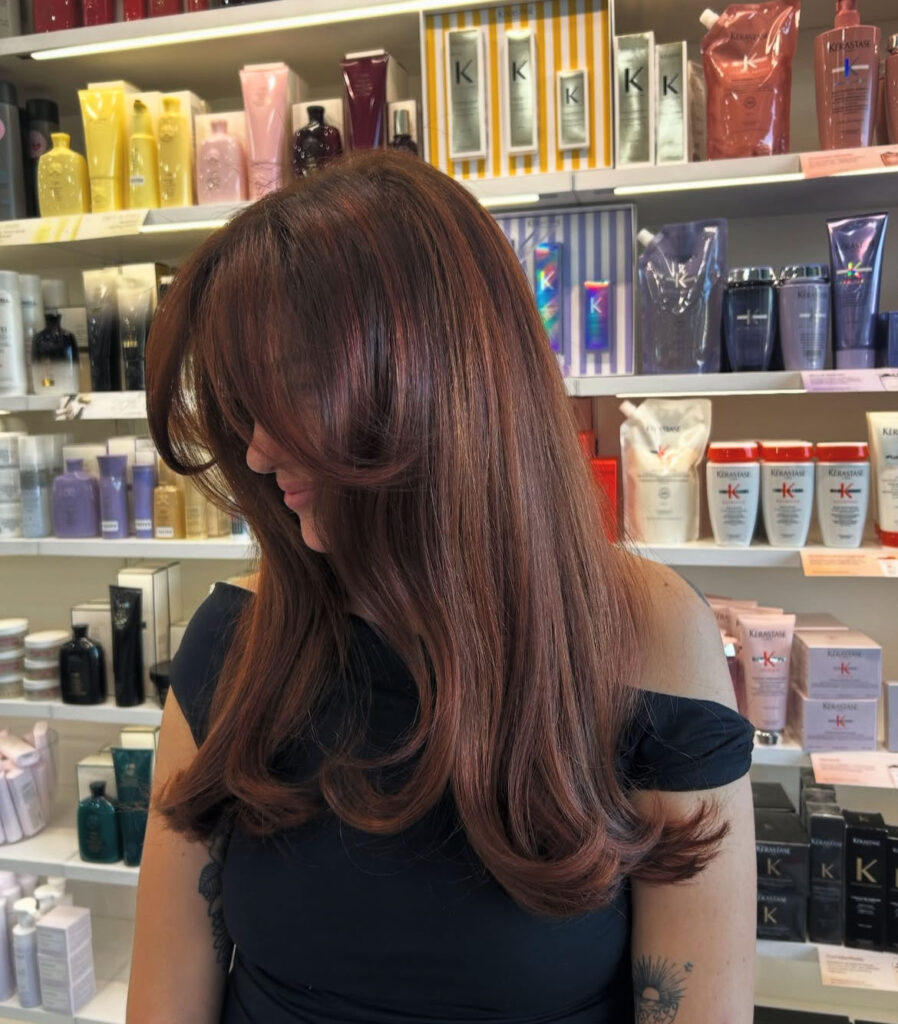
4. Bouncy blowouts and long polished layers
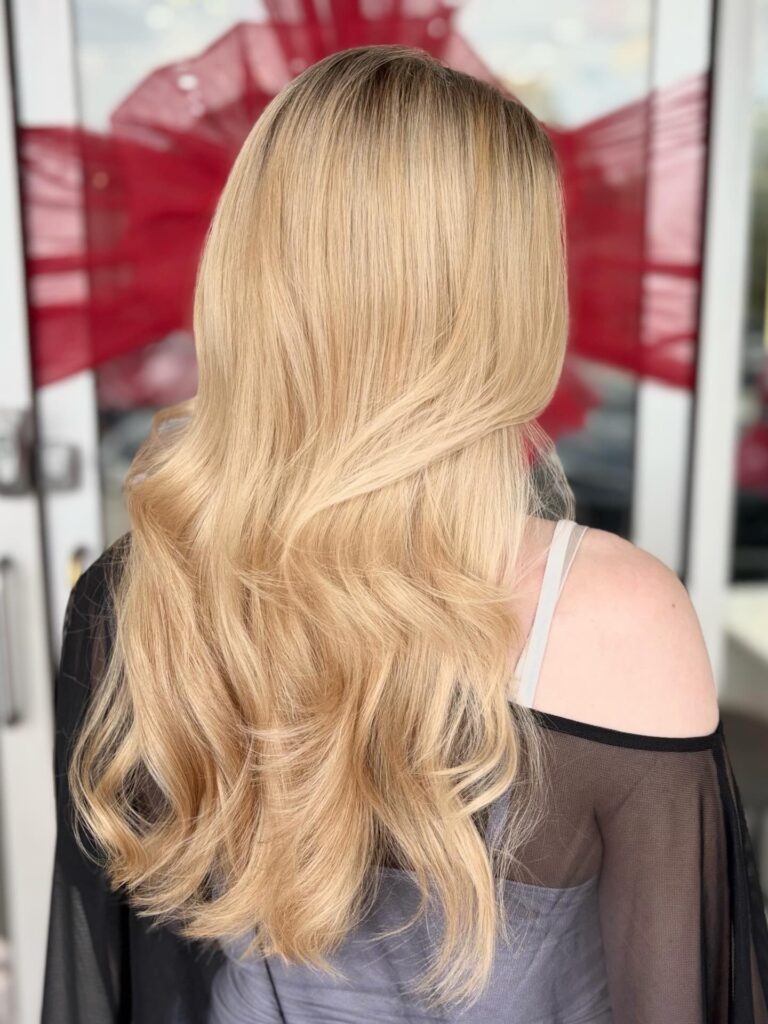
For longer hair, winter 2026 is all about movement. Long layers, midi blowouts and round-brush volume are key.
These styles give hair a healthy and expensive finish. They also work well with winter outfits.
Smooth roots and curved ends sit neatly under coats, collars and scarves. As a result, the hair looks styled without feeling overdone.
A bouncy blowout is also a great option for events. However, heat protection is essential. This helps keep the hair smooth, shiny and strong.
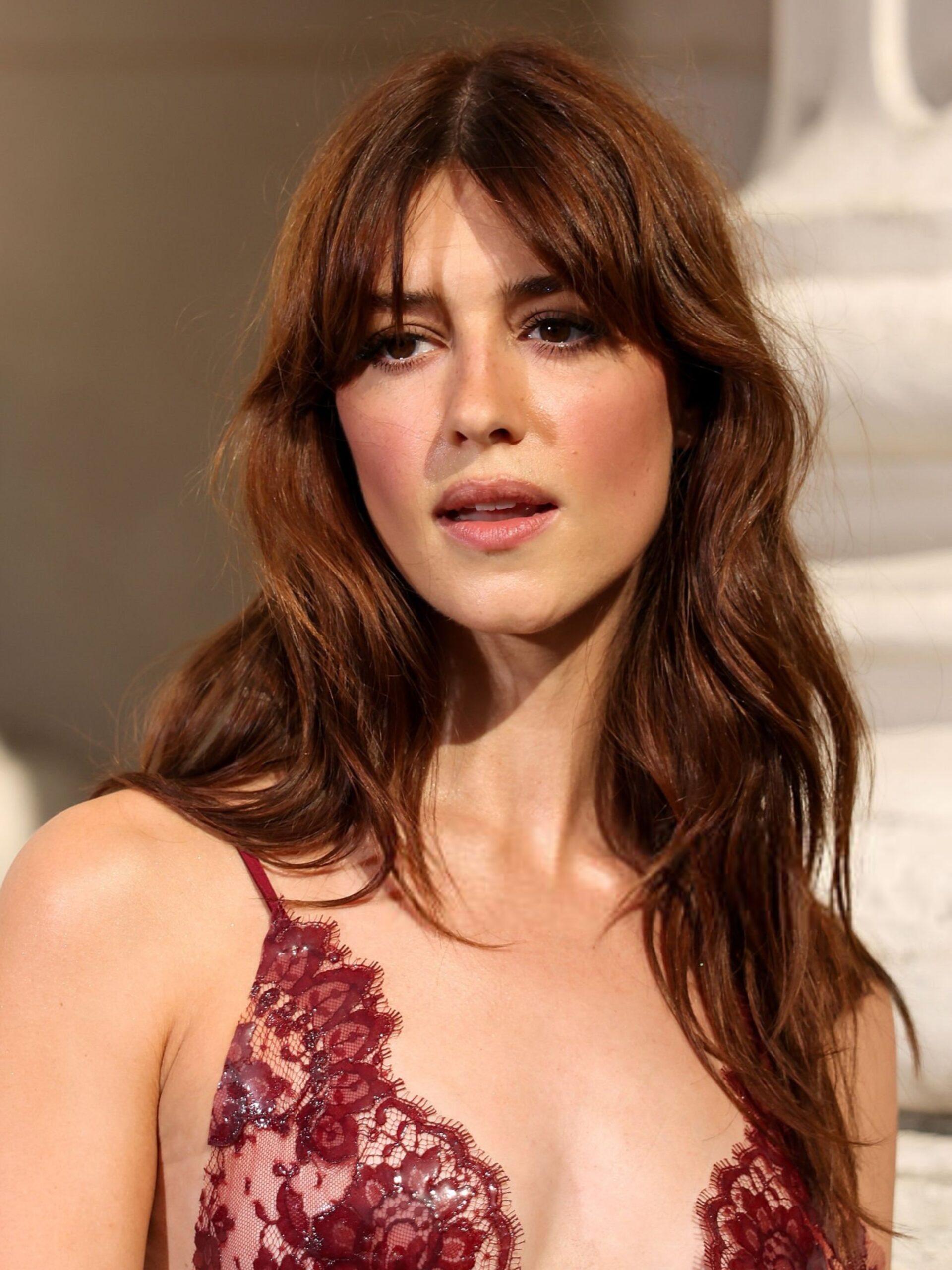
5. Fringes, face-framing layers and hair jewellery
Fringes are another easy way to refresh your winter look. Side fringes, soft bangs and curtain-inspired layers are especially flattering.
These details frame the face without removing too much length. Therefore, they are ideal for anyone wanting a seasonal change.
Hair accessories are also back for 2026. Bows, barrettes, claw clips and metallic details are all trending.
In addition, these accessories make simple winter hairstyles feel more styled. For example, a low bun can look polished with a bow or barrette.
How to Care for Different Hair Types in Winter
Winter hair trends look best when the hair is healthy. However, every hair type needs a slightly different approach.
Cold weather, heating and styling can affect texture, shine and strength. Therefore, your routine should support your natural hair type.
Fine or Straight Hair
Fine hair can become flat in winter. Hats, scarves and heavier products can make this worse.
Use a lightweight moisturising shampoo. Then, apply conditioner only to the mid-lengths and ends.
Avoid heavy oils at the roots. Instead, use a volumising mousse before a blowout.
This can add lift without weighing the hair down. However, always use heat protectant before styling.
Dry or Damaged Hair
Dry hair needs moisture and reduced friction. Therefore, be gentle at every step.
The American Academy of Dermatology recommends conditioning after every wash. It also recommends gentle detangling with a wide-tooth comb.
In addition, the AAD advises limiting heat tools. Excessive heat can damage all hair types.
Swap rough towel-drying for a microfibre towel or soft T-shirt. This simple change can help reduce breakage.
Curly and Coily Hair
Curly and coily hair is naturally more prone to dryness. As a result, winter care should focus on hydration.
Dermatologists recommend washing curly hair only as needed. They also suggest using moisturising shampoo and conditioning the full length of the hair.
After washing, add oil or leave-in conditioner. This helps lock in moisture and support curl definition.
Protective styles can also help. However, avoid anything that feels tight or painful.
Coloured or Bleached Hair
Winter colour trends may be glossy. However, chemical services can make hair dry or brittle.
The AAD advises staying within three shades of your natural colour where possible. This is because major lightening needs stronger peroxide.
As a result, bigger colour changes can cause more damage. Therefore, plan your colour with a professional stylist.
Use colour-safe shampoo at home. In addition, add weekly masks and salon glosses to maintain shine.
Breakage-Prone Hair
Hair breakage often comes from repeated stress. Tight hairstyles, heat tools and rough towel-drying can all contribute.
Brushing wet hair incorrectly can also cause damage. Therefore, gentle handling is important.
Dermatologists recommend massaging shampoo into the scalp rather than the lengths. Then, use conditioner after shampooing.
Air-dry when possible. However, when heat styling is needed, use the lowest effective setting.
Do Not Forget Your Scalp
Finally, do not ignore your scalp. A healthy scalp supports healthier-looking hair.
Winter weather can contribute to dryness. In addition, age and hair products may also play a role.
Dry scalp can cause itching and flaking. Cleveland Clinic notes that switching to a gentle shampoo may help.
However, persistent symptoms should be checked by a healthcare professional. This is especially important if irritation continues.
The Best Winter Hair in 2026
The best winter hair in 2026 is glossy, touchable and healthy-looking. It should also feel realistic for your lifestyle.
You might choose a soft bob, teddy brown gloss or fawn blonde. Or, you may prefer long layers, a statement fringe or polished brunette.
Whatever trend you choose, the secret is the same. Protect the hair fibre, nourish the scalp and work with your natural texture.
That way, your winter hair looks beautiful, healthy and effortless all season long.